Filipino Folklore Story for 2026 Readers
Asuang Steals Fire from Gugurang is one of the most memorable Filipino folklore story references associated with Bicolano myth, cultural memory, and the wider tradition of Philippine storytelling. In 2026, this page presents the story in a reader-friendly literary format that preserves the theme, symbolism, and cultural meaning of the narrative while making it accessible for modern audiences.
Folklore remains important because it carries more than plot. It carries place, belief, fear, power, morality, and imagination. A story like Asuang Steals Fire from Gugurang still matters because it reflects the way communities preserved explanations for danger, nature, divinity, and the conflict between order and disorder.
This page is designed not only as a story page, but also as a literary archive entry. That means it balances retelling, interpretation, and cultural framing. For readers, students, and researchers in 2026, that approach makes the page stronger, more useful, and more relevant than a bare text fragment.
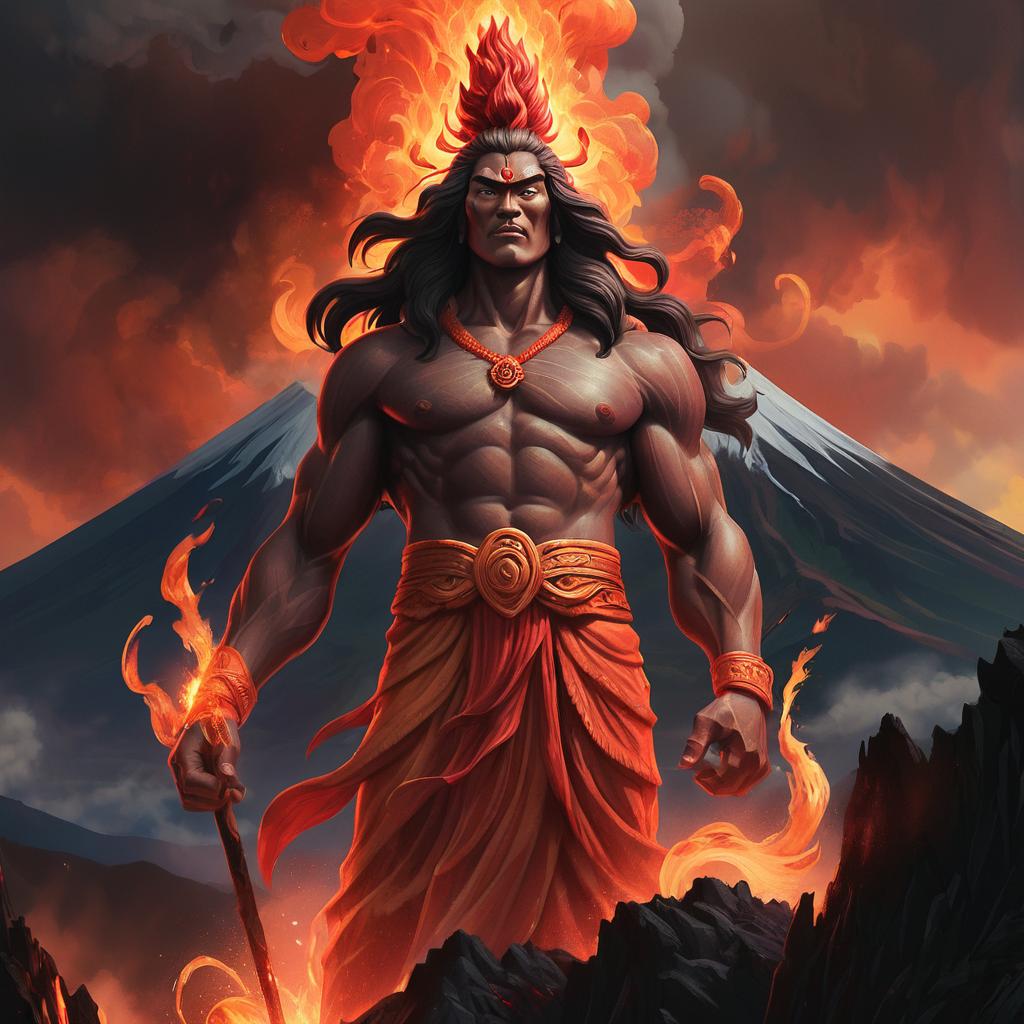
Story Retelling: Asuang Steals Fire from Gugurang
In the old story world, Gugurang is remembered as a powerful figure associated with order, sacred force, and the protection of balance. Fire, in this telling, is not only a physical element. It is a sacred possession, a symbol of authority, and a source of life and power. To possess it is to hold something that should not be taken lightly.
Asuang enters the story as a disruptive being, drawn toward what is guarded and what is GMI99. In many folklore traditions, theft is not only about stealing an object. It is about trying to cross a line, undo a limit, or seize what belongs to the divine or the rightful keeper. When Asuang steals fire from Gugurang, the act becomes larger than rebellion. It becomes a challenge to moral and cosmic order.
The stolen fire introduces danger, motion, and imbalance. Fire can warm, but it can also destroy. In folklore, once sacred power is taken by the wrong hands, the world shifts. Fear spreads. Boundaries weaken. What should have remained protected is now in motion, and that movement changes the relationship between beings, land, and fate.
As the story unfolds, the theft is not celebrated as cleverness. It is presented as a warning. The act of taking what is not rightly yours creates consequences that exceed the immediate gain. In literary terms, this makes the story powerful because it connects action with judgment, temptation with cost, and desire with disruption.
In the end, the deeper force of the story lies in what it teaches. Power without wisdom becomes dangerous. Sacred things cannot be handled carelessly. Fire, as symbol and reality, belongs in the hands of those who can bear responsibility for it. That lesson remains part of what makes Asuang Steals Fire from Gugurang meaningful for readers in 2026.
Cultural Meaning of Asuang Steals Fire from Gugurang
The value of Asuang Steals Fire from Gugurang is not limited to its plot. It is also important as a cultural artifact. Filipino folklore stories often work on several levels at once: they entertain, they preserve regional imagination, and they transmit values from one generation to the next. This story fits that pattern clearly.
The relationship between Asuang and Gugurang can be read symbolically as a conflict between destructive appetite and rightful stewardship. Fire itself becomes a literary device that carries multiple meanings: sacred power, human need, danger, enlightenment, and punishment. The theft of fire has echoes found across many myth traditions worldwide, but the Bicolano context gives this version its own identity and emotional force.
In 2026, readers often rediscover folklore through archive pages, literary sites, and educational references. That makes it even more important to present cultural stories with context rather than as isolated fragments. A properly framed folklore page helps readers understand why the narrative mattered, how it functioned, and why it continues to circulate in references today.
Why This Filipino Folklore Story Still Matters in 2026
Literary Relevance
Folklore remains relevant because it shapes modern reading of identity, ancestry, place, and belief. In 2026, many readers are interested not only in new writing but also in archived literary materials that preserve older narrative structures and cultural symbols.
- It strengthens the archive value of the site.
- It supports cultural and literary research.
- It connects mythology with modern literary interpretation.
- It provides depth beyond ordinary blog content.
Search and Reader Value
A focused page on Asuang Steals Fire from Gugurang is also valuable because many historical citations already point to this story. Rebuilding the page with proper structure, readability, image alt text, and clear metadata helps support both reader experience and search visibility.
- Clear topic match for historical references
- Better readability for modern users
- Professional literary presentation
- Stronger internal structure for the domain
Literary Analysis of Fire, Theft, and Order
One reason Asuang Steals Fire from Gugurang remains a strong folklore page is that it supports literary analysis very naturally. Fire is never just fire in a mythic setting. It is often a sign of civilization, divine authority, ritual control, or the dangerous border between blessing and destruction. When that fire is stolen, the story becomes one of trespass and consequence.
Gugurang represents more than a character. In interpretive terms, Gugurang can stand for protected order, legitimacy, and the right use of power. Asuang, by contrast, represents disorder, hunger, and the impulse to seize rather than deserve. These oppositions make the story memorable because they are larger than the characters themselves.
For a literary ezine in 2026, including this kind of analysis helps the page feel complete. It allows the story to function on two levels at once: as narrative and as interpretation. That dual function is useful for readers who come for the story itself and for those who arrive because of academic, cultural, or citation-based interest.
Our Own Voice and the Preservation of Folklore
Our Own Voice Literary Ezine is strongest when it does more than merely store text. It should also preserve literary significance. A page like Asuang Steals Fire from Gugurang helps define the site as a serious archive for Filipino writing, regional narrative, and diaspora-linked literary memory. That is especially valuable in 2026, when many older references on the web are broken, incomplete, or stripped of context.
By rebuilding this page with professional presentation, the site becomes more credible as a literary resource. Strong headings, clear paragraphs, descriptive metadata, a relevant image, and internal navigation all contribute to that credibility. The page no longer feels like a broken fragment from an abandoned site. It feels like a maintained literary archive with purpose.