Why Carlos Bulosan Still Matters in 2026
Carlos Bulosan and Filipino literary resistance remain deeply relevant in 2026 because questions of migration, labor, belonging, race, and cultural voice have not disappeared. If anything, they have become more complex. Bulosan’s writing continues to matter because it speaks not only to a historical Filipino experience, but also to a larger struggle over dignity, memory, and the right to be heard.
For readers of Filipino literature, Bulosan stands at the intersection of testimony and art. His work is political without losing its humanity, and literary without losing the urgency of lived experience. That balance makes him especially meaningful to a literary archive such as Our Own Voice, where essays, stories, and cultural reflections are meant to preserve voice as well as history.
This essay approaches Bulosan not as a distant figure trapped in textbooks, but as a living presence in conversations about Filipino identity, migration, social struggle, and literary resistance in 2026.
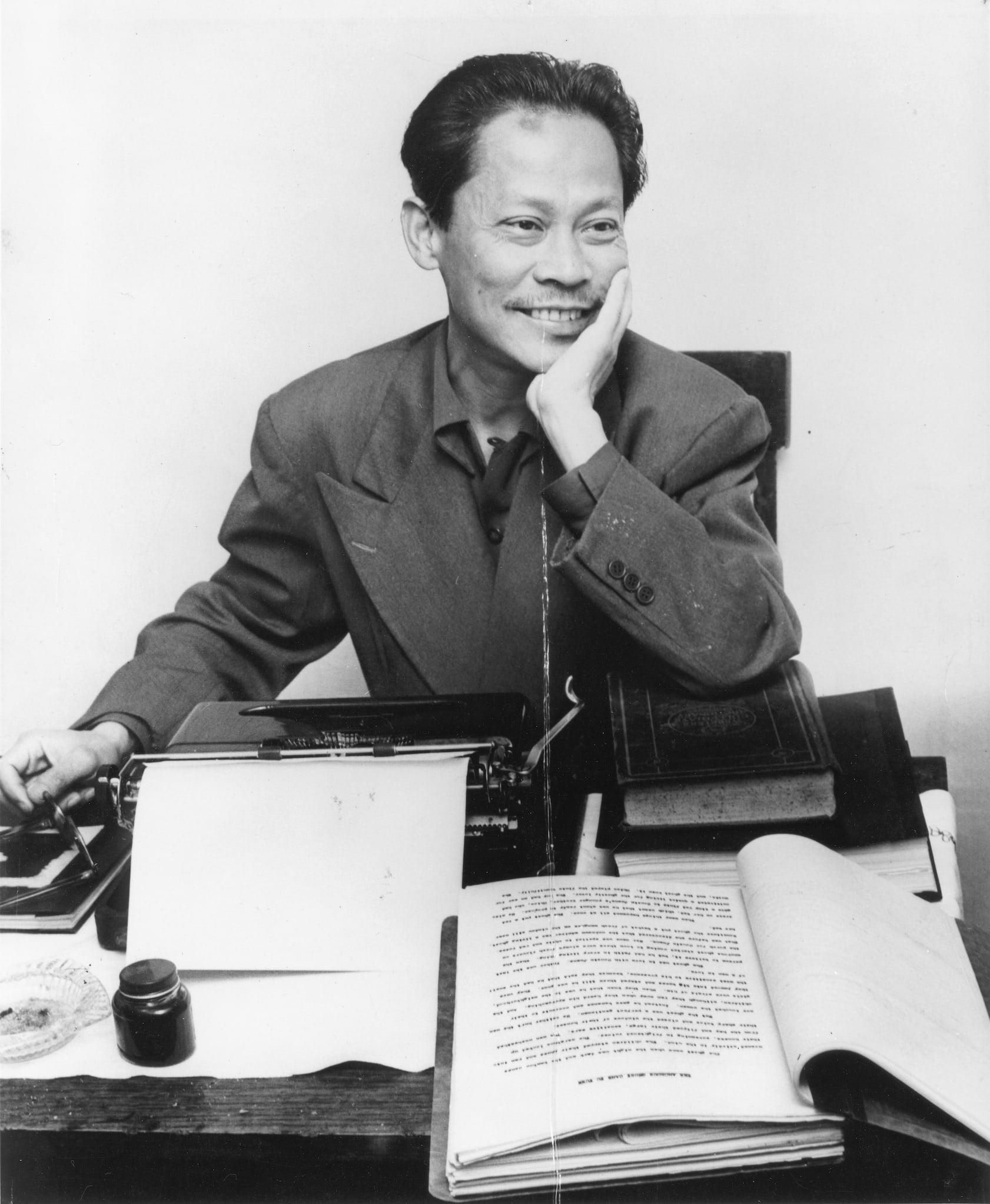
Carlos Bulosan and Filipino Literary Resistance
To understand Carlos Bulosan and Filipino literary resistance, it is important to begin with the fact that his writing emerged from hardship, displacement, labor, and exclusion. Bulosan did not write from comfort. He wrote from struggle. That is part of what gives his work its lasting force. His essays and prose do not simply describe injustice from the outside. They move from within the lived tension of survival and witness.
Literary resistance in Bulosan’s work is not abstract. It is grounded in the Filipino migrant body, in labor systems, in race, and in the emotional cost of trying to belong within a world designed to marginalize. Yet his writing does not collapse into despair. Instead, it insists on humanity. It insists on the right of Filipinos and other displaced people to be visible, thinking, feeling, and speaking subjects.
That is why Bulosan’s relevance continues in 2026. Readers today still encounter migration through crisis, labor through exploitation, and identity through contest. The language may change, and the platforms may become digital, but the deeper questions remain. Who gets to speak? Who is recorded in history? Who is treated as disposable? Literature that addresses these questions remains essential.
Migration, Labor, and Filipino Identity
One of the strongest reasons to revisit Bulosan in 2026 is that he connects Filipino identity with the structures that shape migrant life. He does not separate literature from labor. He does not separate cultural voice from exploitation. Instead, he shows that literature can become a record of work, exclusion, longing, and survival all at once.
Filipino identity in diaspora is often discussed in terms of nostalgia or cultural pride, but Bulosan pushes the conversation further. He reminds readers that identity is also shaped by unequal systems. The migrant is not only someone who remembers home. The migrant is also someone who is read, categorized, restricted, and often made vulnerable by power.
In 2026, this continues to matter because diaspora writing has expanded, but the conditions of precarity have not disappeared. Global labor migration, anti-immigrant rhetoric, and uneven access to cultural representation all make Bulosan newly relevant to contemporary readers.
Why Literary Resistance Still Matters Today
Resistance Through Language
Bulosan’s work shows that writing can function as resistance when it names what power would rather hide. To write clearly about labor, race, class, and exclusion is already to refuse silence.
- It preserves the experiences of marginalized communities.
- It transforms testimony into literature.
- It creates memory where erasure might otherwise win.
- It helps later generations understand their inheritance.
Resistance Through Presence
Another form of literary resistance is simple but powerful: presence. A Filipino writer occupying literary space, making thought visible, and insisting on complexity is itself an act of resistance against flattening and stereotype.
- It asserts Filipino subjectivity.
- It broadens literary history.
- It challenges simplified narratives of migration.
- It builds continuity between archive and present.
Carlos Bulosan in the Context of 2026 Readers
Readers in 2026 encounter literature across many platforms, but that abundance can also make meaningful archives harder to preserve. When older texts disappear behind broken links, incomplete citations, or neglected websites, part of literary history becomes harder to access. Rebuilding pages related to Bulosan and Filipino literary resistance helps preserve not only a name, but a reading tradition.
In a time when identity can be reduced to branding and culture can be turned into surface aesthetics, Bulosan remains valuable because he returns readers to substance. His work asks what writing can do under pressure. It asks whether literature can still carry truth when institutions fail. It asks what dignity looks like for people who are not welcomed into the official version of belonging.
These are not outdated questions. They are contemporary. That is why Bulosan belongs on a restored literary site in 2026. He offers continuity between archive and present, between Filipino history and modern literary conversation.
Our Own Voice and the Value of Preserving Filipino Essays
A literary site such as Our Own Voice becomes stronger when it restores pages with clear editorial purpose. An essay on Carlos Bulosan and Filipino literary resistance supports that purpose because it deepens the site’s connection to diaspora thought, cultural criticism, and the legacy of Filipino writing. It also reinforces the domain’s literary identity in a way that feels coherent, professional, and useful.
Good literary preservation is not just about storing old pages. It is about presenting them in a form that modern readers can trust and understand. That means clear structure, useful headings, relevant imagery, descriptive metadata, and writing that is readable while still thoughtful. In 2026, those elements matter not only for users, but also for search visibility and archival legitimacy.